

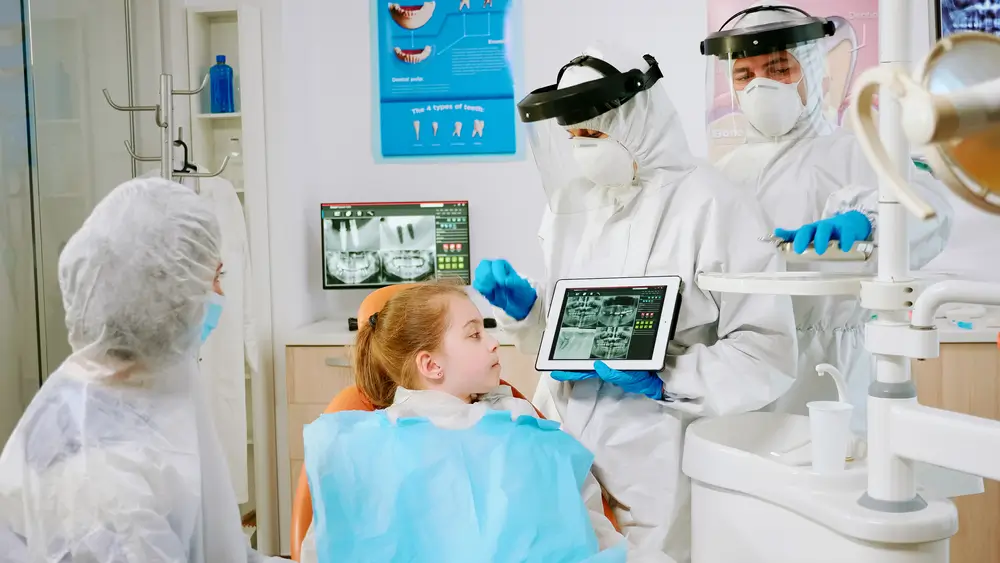
In dental practices, workplace safety is not just about patient care; it’s also about protecting the dental team from daily hazards such as bloodborne pathogens, chemical exposure, ergonomic strain, and infection risks. OSHA compliance plays a vital role in preventing these incidents and ensuring every clinic meets federal safety standards. Proper OSHA training helps dental professionals recognize and manage potential risks before they cause harm. It helps organizations and institutions to build a safer workplace for all employees and patients.
In this blog, you get to explore how free OSHA training can strengthen safety awareness across dental teams and when it’s time to pursue paid, authorized courses for official certification and compliance. Read on!

Understanding Free OSHA Training for Dental Professionals
Free OSHA training for dental professionals typically covers foundational safety concepts that help staff recognize and prevent workplace hazards. These modules often include topics like exposure control plans, infection prevention, bloodborne pathogen awareness, and proper chemical labeling under the Hazard Communication Standard. The goal is to build awareness and understanding of OSHA’s core safety principles within a dental setting. However, it’s important to note that such free training is primarily for educational purposes; it does not provide official certification or DOL cards. Instead, it serves as a useful introduction before enrolling in authorized OSHA courses.
What Free OSHA Courses Do and Don’t Offer
Free OSHA courses are a great starting point for dental professionals seeking to understand workplace safety without financial commitment. They provide practical insights into infection control, sharps safety, and exposure prevention essential for maintaining a safe dental environment. However, these free programs do not issue official DOL cards or certificates of completion recognized by OSHA-authorized training. Instead, they serve as an introductory resource for beginners or small clinics aiming to build a safety-first mindset before pursuing certified, paid courses.
Key Topics Covered in Free OSHA Dental Training
The online OSHA safety training for dental professionals focuses on essential safety topics tailored to the unique risks of dental environments. There are two training programs – the 10-Hour safety program and the 30-Hour training program.
These programs help dentists, hygienists, and assistants understand workplace hazards, proper safety procedures, and regulatory expectations. From infection control to ergonomic safety, the training covers practical measures that improve compliance and create a safer, more efficient dental practice. Below are some of the key topics commonly included in such courses.
Bloodborne Pathogens & Infection Control
This module teaches dental professionals how to prevent exposure to infectious diseases such as HIV and Hepatitis B. It covers sterilization procedures, hand hygiene, and the safe handling of contaminated instruments, essential for maintaining a clean and compliant dental practice.
Chemical Safety and Hazard Communication (GHS)
Dental offices use disinfectants, bonding agents, and other chemicals that require careful handling. This section helps staff understand Safety Data Sheets (SDS), labeling systems, and emergency procedures to reduce risks from chemical exposure.
Ergonomics and Musculoskeletal Health
Frequent bending and repetitive movements can cause strain injuries among dental professionals. This topic provides guidance on proper posture, workstation design, and ergonomic practices to prevent musculoskeletal disorders and improve comfort during long procedures.
Exposure Control Plans and PPE Use
Participants learn how to develop and implement exposure control plans that protect staff from biological and chemical hazards. It emphasizes the correct use of personal protective equipment (PPE) like gloves, masks, and eyewear during patient treatment.
Radiation and Sharps Safety
This module focuses on safe handling of dental radiography equipment and sharp instruments. It teaches correct disposal methods for needles and prevention of accidental punctures, ensuring compliance with OSHA and CDC standards.
Benefits for Dental Teams and Practice Owners
Free OSHA training offers significant benefits for both dental teams and practice owners by fostering a culture of safety and compliance. It equips staff with essential knowledge to prevent workplace injuries, control infection risks, and handle hazardous materials properly, ensuring safer patient care and a healthier work environment. For practice owners, it serves as a proactive compliance tool that prepares the team for potential OSHA inspections and reduces the likelihood of costly penalties. These free modules are also valuable for onboarding new employees, conducting toolbox talks, and offering annual refresher sessions to keep everyone aligned with current safety standards.
When to Choose Paid, Authorized OSHA Training
While free OSHA training is a great starting point, paid and OSHA-authorized courses are essential for anyone seeking official certification or compliance verification. These programs meet federal and state requirements, offering Department of Labor (DOL) cards and certificates of completion recognized across industries, including dental practices that handle biohazards or chemicals. Authorized OSHA 10-hour and 30-hour courses provide in-depth, structured learning that demonstrates a clear commitment to workplace safety and regulatory compliance. Investing in these paid courses not only strengthens your clinic’s safety culture but also ensures readiness for audits, inspections, and insurance evaluations.
Building a Culture of Safety in Dental Practices
Building a strong safety culture in dental practices goes beyond meeting OSHA’s minimum requirements; it’s about fostering a proactive mindset among all team members. Continuous training ensures staff stay alert to evolving risks, from infection control to ergonomic safety. Regular refreshers and policy updates help reinforce best practices, while safety drills encourage team participation and accountability. When everyone understands their role in maintaining a hazard-free environment, patient trust grows, employee confidence improves, and the entire practice benefits from smoother, safer operations.
Wrap Up
In conclusion, free OSHA training for dental professionals is an excellent starting point for promoting safety awareness and compliance within the workplace. It helps staff understand essential protocols for infection control, chemical handling, and patient protection. However, to meet official requirements and earn recognized credentials, upgrading to paid OSHA-authorized courses is essential. By combining awareness-level training with certified instruction, dental practices can create a well-rounded, compliant, and safety-driven environment for both patients and employees.